SPECIAL REPORT: Thailand Under Scrutiny at 4th UPR Cycle Over Article 112 and Freedom of Expression
At the UN Universal Periodic Review (UPR) in Geneva, 11 member states expressed deep concern over Thailand's use of Article 112 (Lèse-Majesté) to restrict free expression, with 9 explicitly recommending its review, amendment, or repeal. Critics highlighted unfair judicial practices, the denial of bail, and the criminalization of youth activists as contrary to Thailand's obligations under international human rights treaties. In response, 112Watch demands that the Thai government fully accept these recommendations during its official UN response on November 13, 2026, release all political detainees, and commit to genuine legal reform.
November 11, 2026
The 4th Cycle of the Universal Periodic Review (UPR), 53rd Session of the UPR Working Group, Geneva
1. Executive Summary
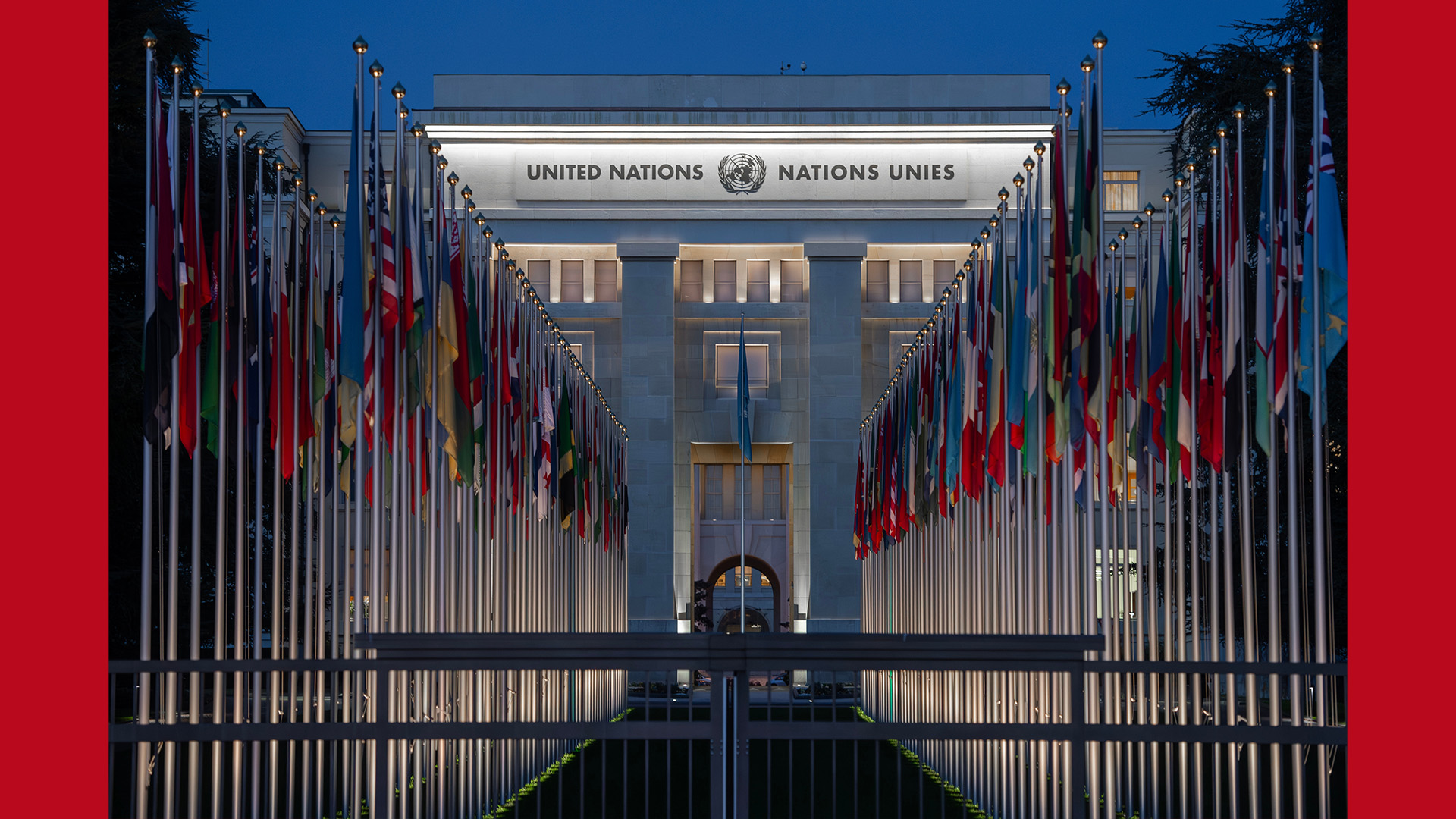
On 9 November 2026, the United Nations Human Rights Council (UNHRC) in Geneva reviewed Thailand's human rights record under the Universal Periodic Review (UPR) mechanism. This session held heightened significance as Thailand is currently serving its term as an elected member of the UNHRC (2025–2027).
During the review, 107 UN member states delivered 297 overall recommendations to Thailand. A prominent focus of international concern was the ongoing weaponization of Article 112 (Lèse-Majesté law) of the Thai Criminal Code, alongside other restrictive laws used to suppress peaceful political dissent and freedom of expression.
2. Key Findings & Breakdown of Member State Interventions
A. Specific Calls to Amend or Repeal Article 112
At least 11 member states explicitly raised grave concerns over Article 112 and its severe impact on human rights and fundamental freedoms:
- Amend / Review to Align with ICCPR (7 Countries):
-
- Finland, Germany, Mexico, Norway, Sweden, Austria, and Denmark urged Thailand to urgently review and amend Article 112. They requested that the law be brought into full compliance with Thailand's international obligations under the International Covenant on Civil and Political Rights (ICCPR) and international human rights law. Key recommendations included removing mandatory minimum prison terms and narrowing the law's overly broad scope.
- Repeal or Substantially Reform (2 Countries):
-
- Ireland and Canada directly recommended that Thailand amend or repeal Article 112 to eliminate its use as a tool of political suppression.
B. Fair Trial Guarantees & Protection of Youth Activists
Several delegations highlighted broader structural flaws within Thailand's judicial process regarding political dissidents:
- Fair Trial Standards: States stressed that judicial proceedings involving political cases must strictly adhere to fair trial guarantees, including the right to bail, which has been systematically denied to lèse-majesté defendants.
- Protection of Minors: States specifically urged Thailand to cease the prosecution of children and youth activists under Article 112 and related security laws.
- Broader Anti-Free Speech Legislation: Delegations also raised concerns regarding other laws used in tandem with Article 112 to silence critics, including Article 116 (Sedition) and the Computer Crimes Act.
3. Background & International Context
- Pre-Session Civil Society Submissions: Ahead of the review, joint submissions to the UN by human rights coalitions—including 112Watch, FIDH, Human Rights Watch, and Amnesty International—documented that over 270 individuals have been prosecuted under Article 112 since late 2020, with dozens remaining in pre-trial detention or serving lengthy prison sentences.
- Tragic Precedents: The report to the UN emphasized extreme consequences of prolonged pre-trial detention, such as the May 2024 death of activist Netiporn "Boong" Sanesangkhom during a hunger strike while held under Article 112 detention.
- The UN Council Hypocrisy: UN delegates reiterated that as a newly elected member of the UN Human Rights Council, Thailand is expected to uphold the highest standards in promoting and protecting human rights, rendering its domestic criminalization of peaceful dissent unacceptable.
4. Upcoming Key Timeline: The Adopted Position (13 November 2026)
The UPR process requires the Thai government delegation to formally respond to the 297 recommendations made by UN member states.
- Date: Friday, 13 November 2026
- Time: Approx. 20:30 (Thailand Time) / 14:30 (Geneva Time)
- Action: Thailand's representatives will state before the UN Working Group which recommendations the government will accept for immediate implementation and which it will merely "take note of" (effectively deferring or rejecting).
- Where to Watch: Live stream available via UN Web TV.
5. What 112Watch Demands and Seeks to Do in the Wake of the UPR
In response to the UPR proceedings in Geneva, 112Watch outlines its strategic positions and planned actions:
- Demand Acceptance of Article 112 Recommendations:
112Watch calls on the Thai delegation to formally - Monitor Government Ambiguity:
112Watch will closely track Thailand's responses on 13 November. Historically, Thai officials have claimed that Article 112 complies with national security requirements and international standards. 112Watch will document and expose any attempt by the government to evade accountability behind official rhetoric. - Advocate for Immediate Judicial Relief:
Beyond law reform, 112Watch demands the immediate and unconditional release of all political prisoners currently held in pre-trial detention or serving sentences under Article 112, alongside the dismissal of all pending lèse-majesté charges against peaceful protesters and children. - International Campaigning & Diplomatic Pressure:
112Watch will engage directly with the 11 member states (and international partners) that raised Article 112 at the UPR, urging them to maintain bilateral diplomatic pressure on Bangkok and hold Thailand accountable to its pledges as a UN Human Rights Council member.