Engage Thailand Hosts Conversation with Prof. Pavin Chachavalpongpun on Thailand’s Monarchy and Political Persecution
On 17 September, Engage Thailand, in collaboration with 112WATCH, PrachathipaType, and Kinjai Contemporary, hosted a public conversation in New York City with Prof. Pavin Chachavalpongpun on political persecution in Thailand, the monarchy, and transnational activism. Prof. Pavin discussed the increasingly overt exercise of royal power under King Vajiralongkorn, while the event also featured typographic artworks by PrachathipaType and ten letters from prison by human rights lawyer Arnon Nampa, accompanied by English translations. Together, the discussion and exhibits highlighted the role of art, personal testimony, and international solidarity in raising awareness of human rights and democratic challenges in Thailand.
October 15, 2026
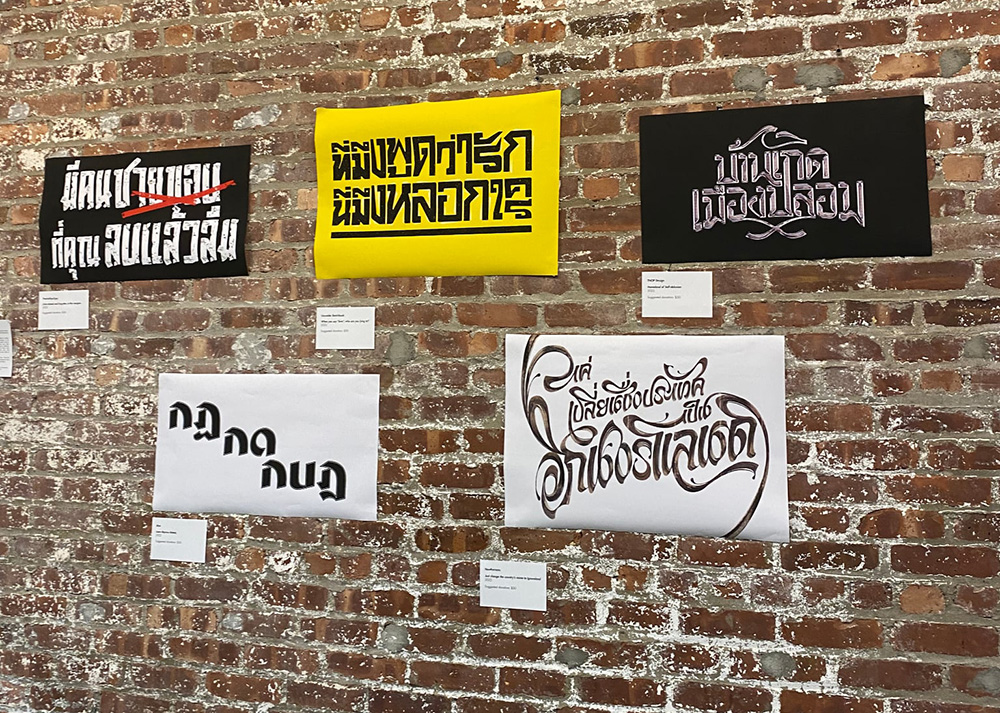
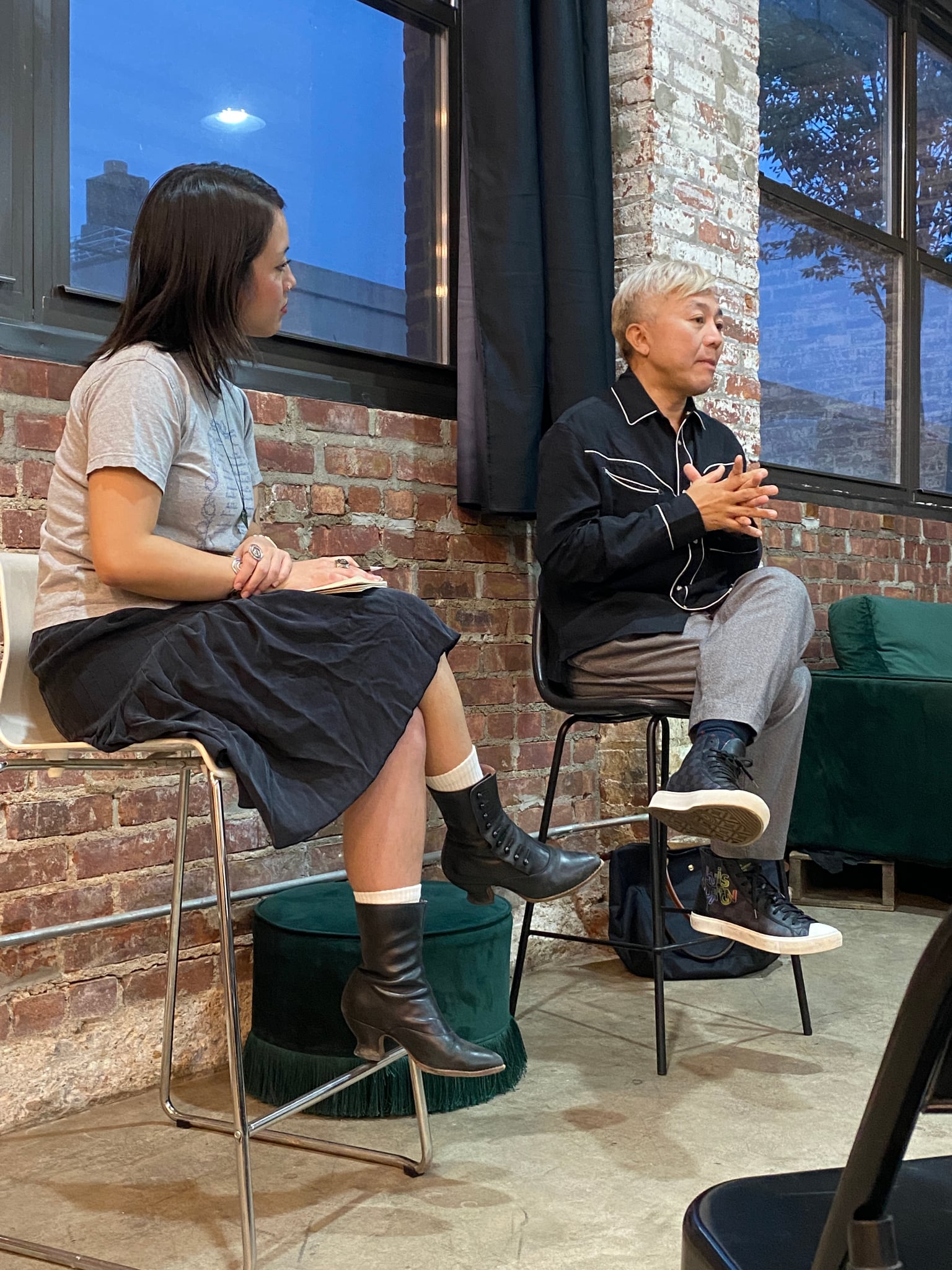
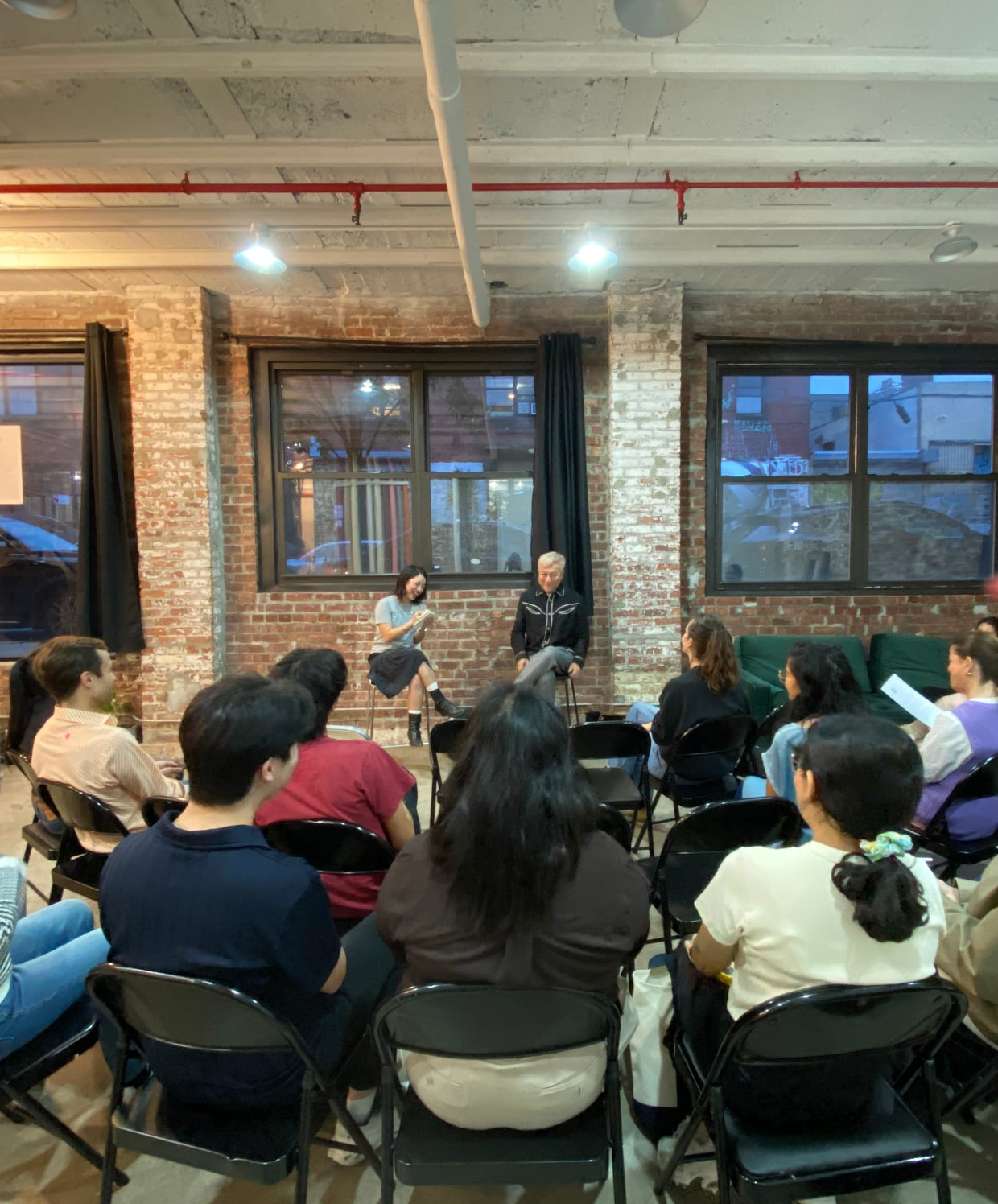
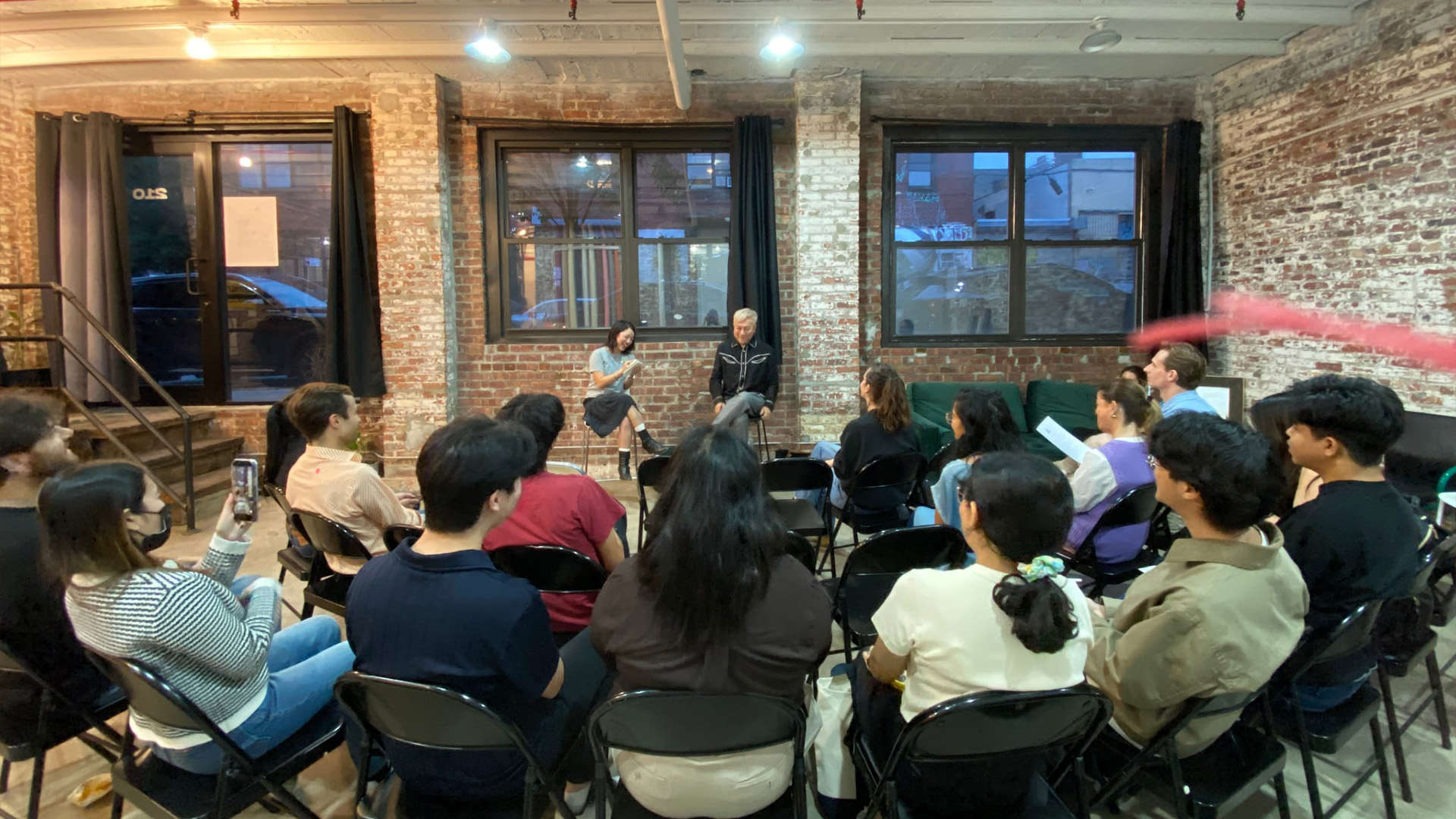
On September 17, Engage Thailand hosted an event in New York City in collaboration with 112WATCH, PrachathipaType, and Kinjai Contemporary. The event brought together more than 20 community members for a conversation with Prof. Pavin Chachavalpongpun on political persecution in Thailand, the monarchy, and transnational activism. Attendees also viewed typographic artworks and read letters from prison by human rights lawyer Arnon Nampa.
Moderated by Engage Thailand co-founder and Executive Director Yanisa Vararaksapong, the conversation with Prof. Pavin, a professor at Kyoto University’s Center for Southeast Asian Studies and founder of 112WATCH, explored the role of art in advocacy, the future of the Thai monarchy, and his recent analysis of King Vajiralongkorn’s consolidation of overt royal power. Prof. Pavin described a shift from the more covert and informal exercise of royal power to a more overt form of power during the reign of King Rama X. He outlined four dimensions of this shift:
- Financial: Assets previously held by the semi-public Crown Property Bureau were transferred into King Vajiralongkorn’s personal ownership in 2018.
- Political: Ties between the monarchy and military were formalized, while institutions such as the Senate and Constitutional Court have been used in ways that can constrain electoral mandates.
- Symbolic: Increased public appearances by the king have reinforced a more direct and personalized role in shaping political narratives.
- Legal: The lèse-majesté law has been increasingly used against critics and political opponents.
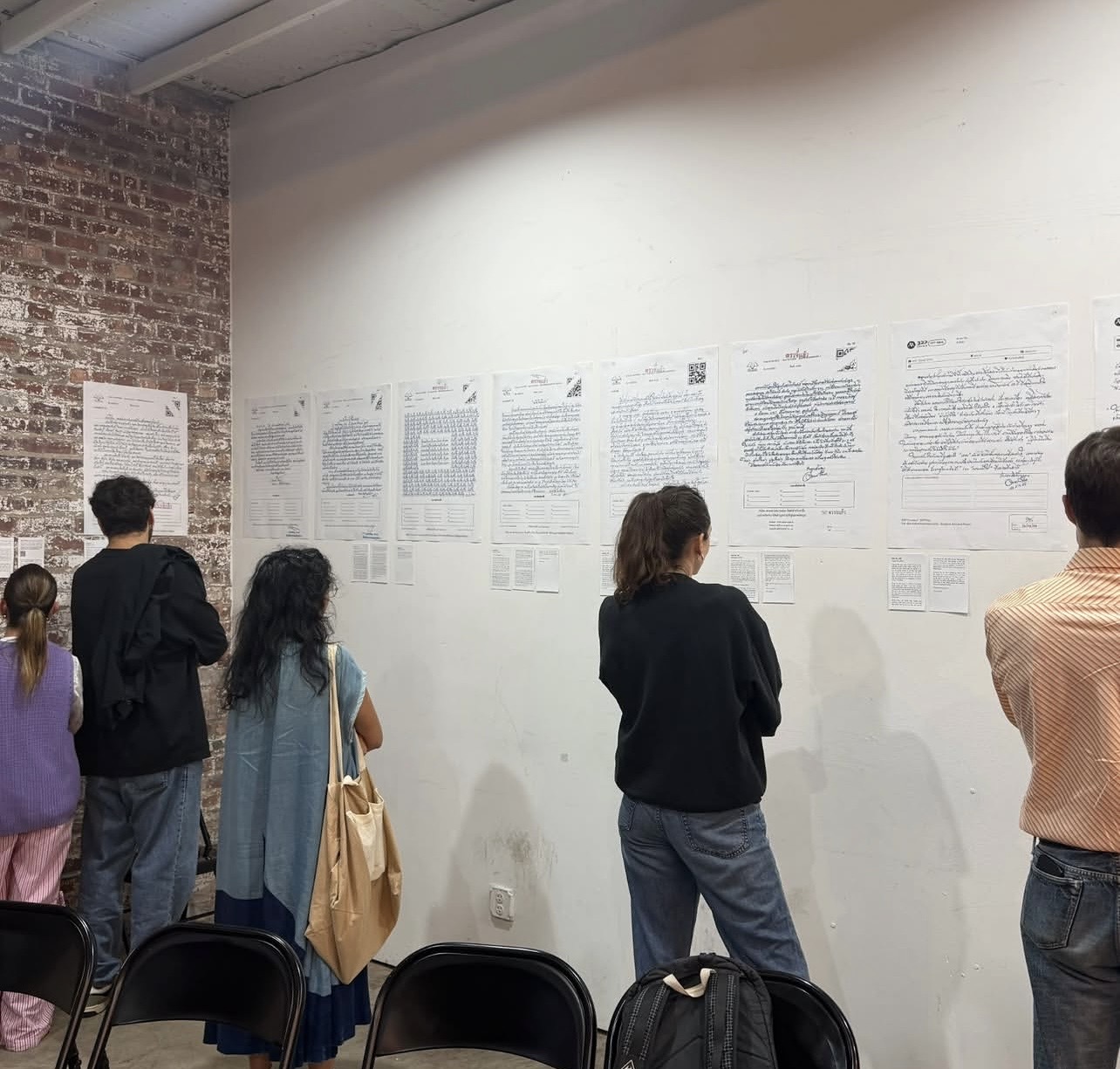
The event also featured a selection of typographic artworks curated by PrachathipaType, originally for the lyric video of “Homeland” (บ้านเกิดเมืองนอน) by Rap Against Dictatorship. The song sought to reclaim and subvert a propaganda campaign by the military government, which had promoted a revival of an older patriotic song with the same name.
Ten letters from prison by human rights lawyer Arnon Nampa were also displayed alongside English translations, which were made by Justice in Translation, a project by the Justice in Southeast Asia Lab (JSEALab) at the University of Wisconsin-Madison. September 26, 2026, marks three years since Arnon’s imprisonment. He has been detained in connection with his peaceful expression and calls for democracy and reform of the monarchy. He is among nearly 300 people who have faced prosecution under Article 112 following the youth-led pro-democracy protests that began in 2020, with more than 30 currently in detention.
Arnon’s letters span details of his daily life behind bars, instructions and expressions of longing and love to his family, case updates, critiques of the books he is reading and the series screened in the evenings by the prison, and broad social and political commentary. Many of his letters are addressed to his two young children, Pran and Kan, and his spouse, Lookwa.
This report was first published by Engage Thailand.